


LED PAR & MR Directional Lamps
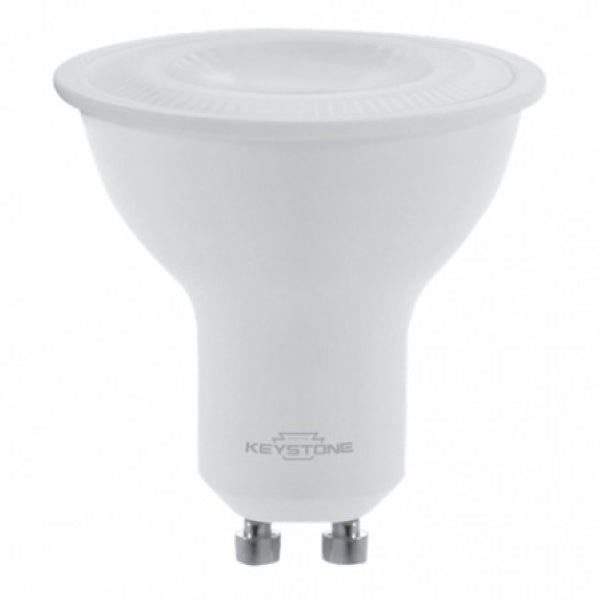
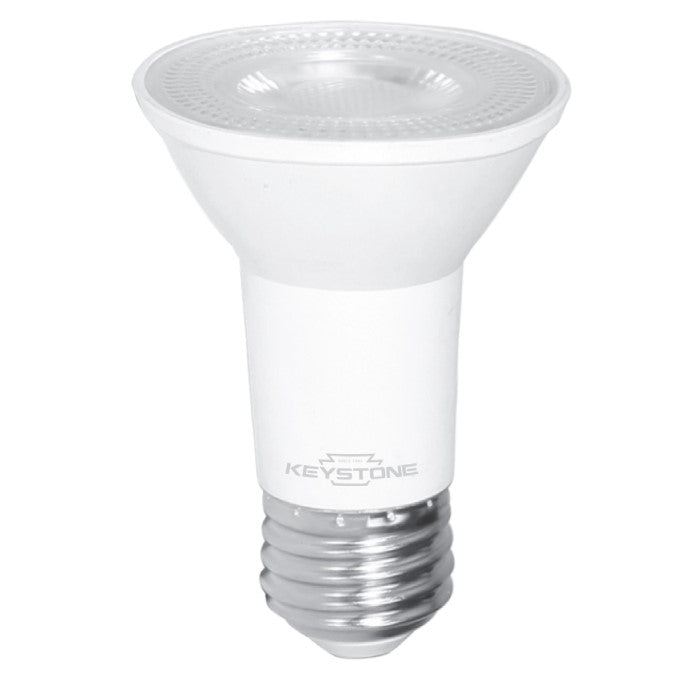
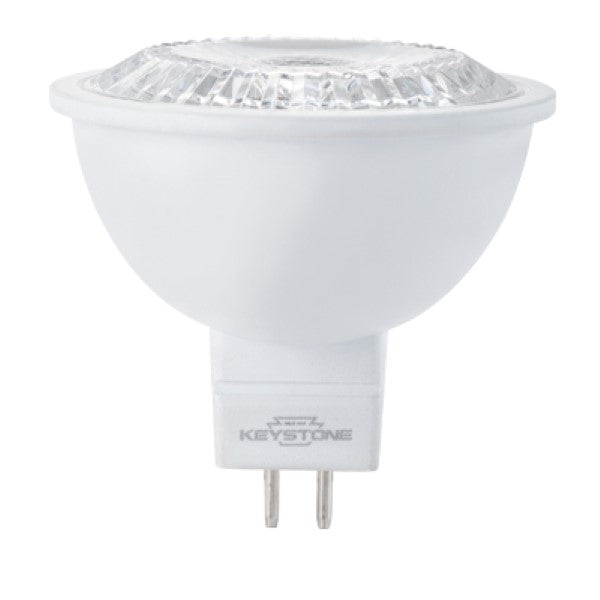
Directional LED PAR and MR lamps for beam-critical lighting—lamps specified by beam angle and CBCP.
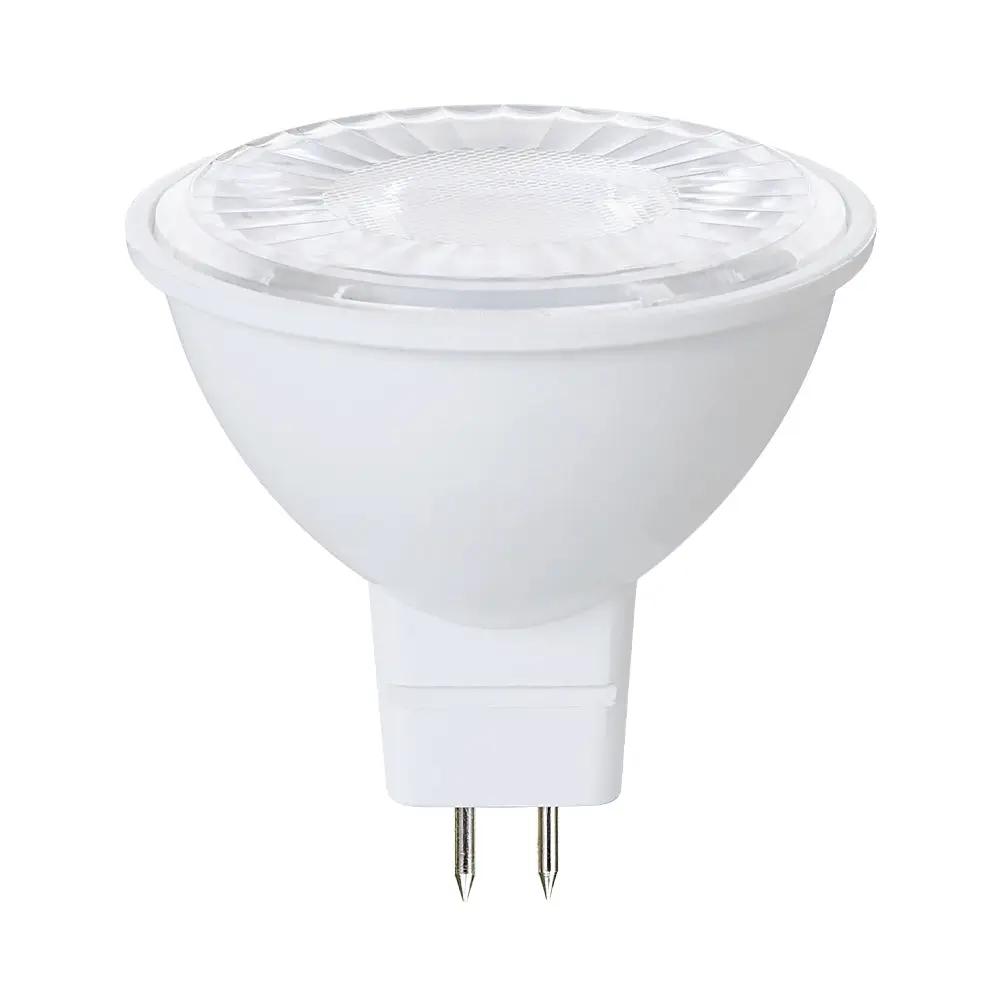
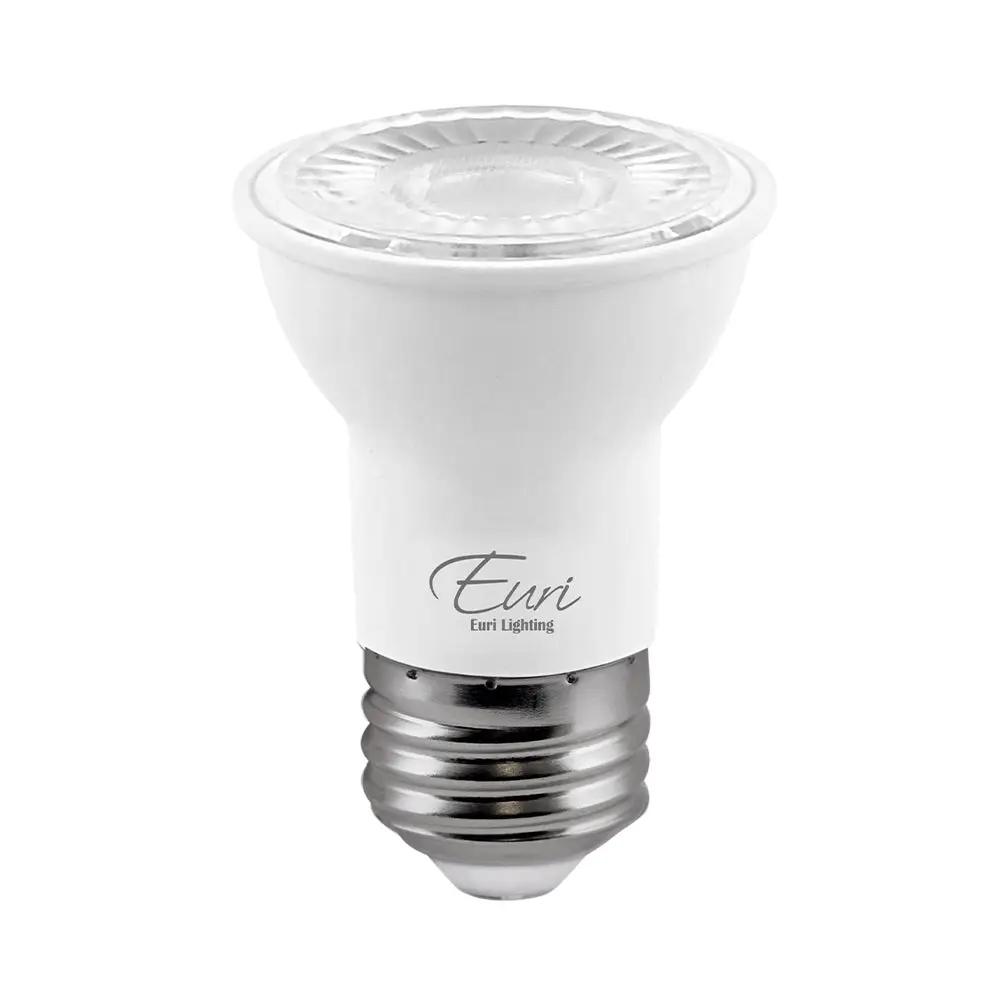
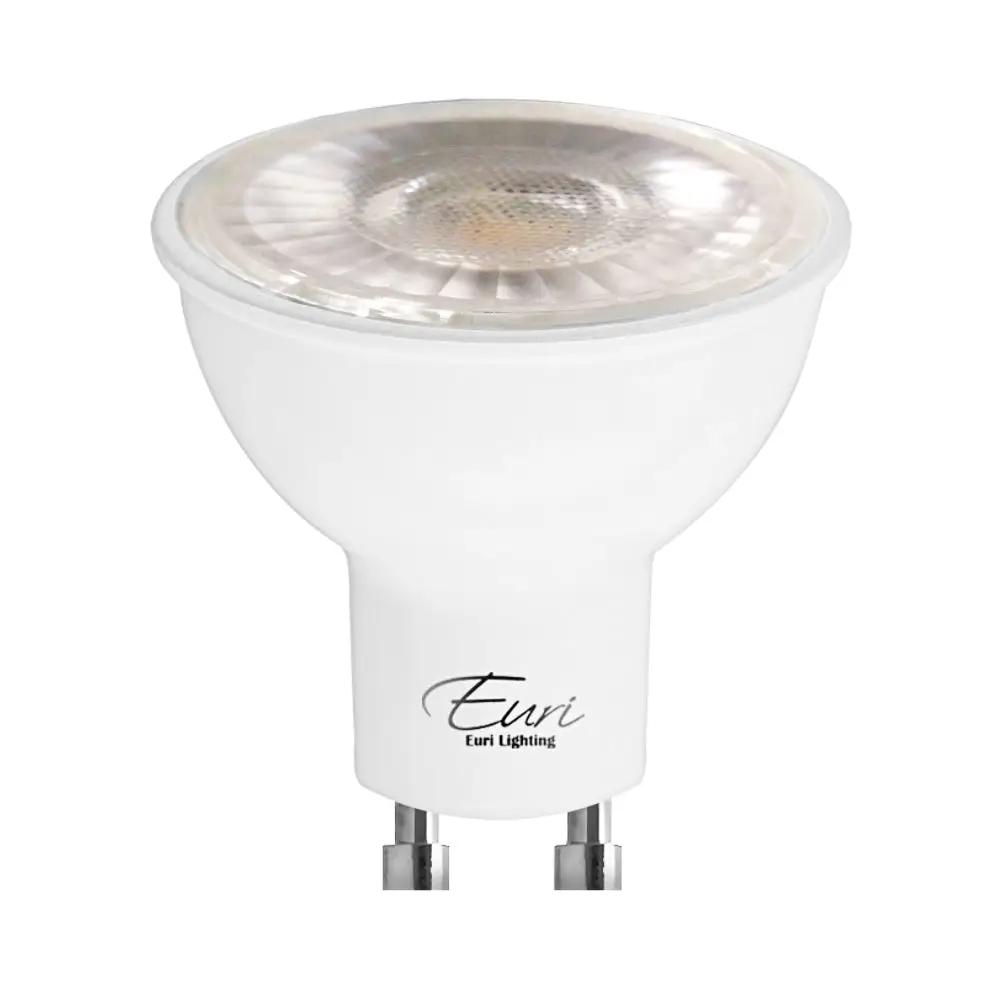
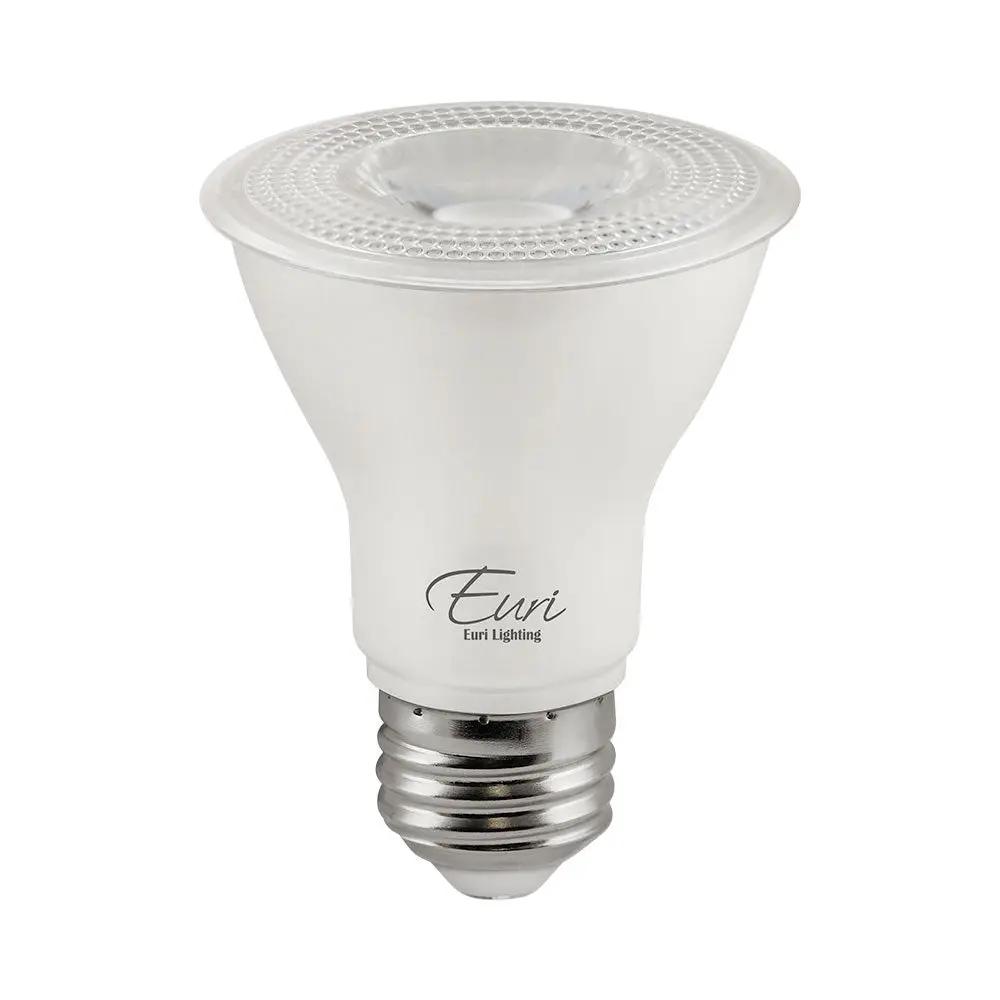
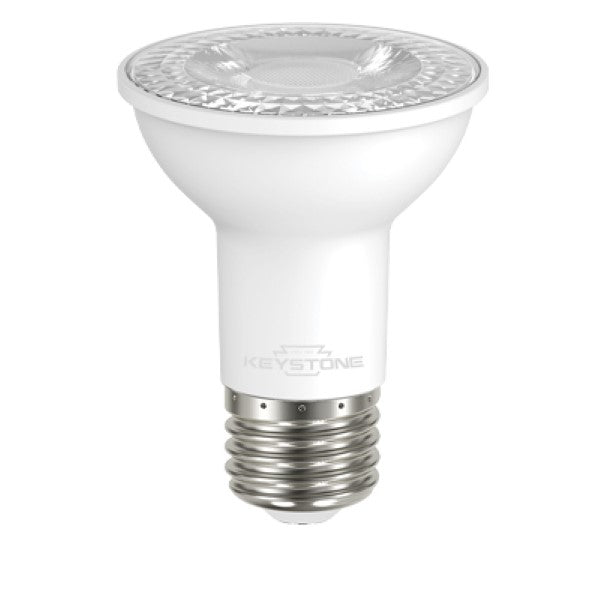
LED PAR and MR directional lamps are specified where controlled beam distribution and center-beam intensity are required for visual emphasis and task clarity. Unlike omnidirectional sources, these reflector lamps concentrate output into defined beam angles, supporting focal illumination for merchandise, architectural surfaces, and detail-oriented work areas. Selection should consider beam spread, center-beam candlepower (CBCP), color rendering, and compatibility with the control strategy to ensure predictable visual results.
This collection includes multiple lamp diameters, including PAR16, PAR20, PAR30, PAR38, and MR16, allowing alignment with fixture geometry and mounting depth. Specification should begin by defining the visual objective—accent, display, or task—followed by validation of thermal behavior, color stability, and dimming performance to maintain consistent appearance throughout the service life.







Technical FAQs for PAR and MR LED Directional Lamp Systems
Engineering reference: Review our commercial ceiling lighting buying guide for beam distribution strategy, lumen targeting, electrical compatibility verification, and retrofit methodology commonly evaluated when deploying directional luminaires across commercial facilities.
What defines a commercial PAR or MR LED directional lamp?
A commercial PAR or MR LED lamp is engineered to deliver controlled beam distribution from socket-based luminaires. Selection is typically guided by beam angle, lumen output, electrical compatibility, and fixture geometry.
Where are directional lamps commonly deployed in commercial facilities?
Directional luminaires are frequently installed in task-oriented environments, display zones, healthcare spaces, hospitality facilities, and other locations requiring controlled illumination.
Why is beam angle more critical than wattage when selecting directional lamps?
Beam angle determines how concentrated the light is upon the target surface. Matching beam distribution to the application helps support predictable illumination.
How does beam spread influence fixture performance?
Narrow distributions concentrate light over smaller areas, while wider beams provide broader coverage. Aligning beam characteristics with the visual task helps maintain effective illumination.
What electrical characteristics should be verified before installation?
Branch voltage, socket condition, wiring integrity, driver compatibility, and switching behavior should be confirmed to support proper startup and steady-state operation.
How does fixture geometry affect directional lamp selection?
Reflector design, trim configuration, and available clearance influence optical performance. Lamps should align with the spatial constraints of the luminaire.
Why is thermal behavior evaluated in directional luminaires?
Compact housings can influence operating temperature. Lamps should be matched to the thermal conditions present within the fixture.
What role does lumen output play in directional applications?
Delivered lumens influence target brightness and visual clarity. Matching output to the task helps support consistent results.
When should a facility consider upgrading the luminaire instead of retrofitting the lamp?
If the housing is degraded, optical performance is compromised, or illumination targets cannot be achieved, upgrading the luminaire may provide a more stable long-term solution. Facilities often evaluate systems within LED recessed lighting when broader modernization is planned.
What installation factors should be reviewed prior to deployment?
Fixture condition, ambient temperature, available clearance, wiring integrity, and switching patterns should be assessed before installation.
How do facilities maintain consistent beam performance across large deployments?
Standardizing lamp specifications helps maintain predictable optical behavior throughout the property.
What influences long-term serviceability of directional lamp systems?
Electrical stability, thermal conditions, component accessibility, and fixture construction influence maintenance planning.
Why do organizations standardize directional lamps across facilities?
Standardization helps maintain consistent illumination, simplify maintenance procedures, and support operational continuity.
How does directional lighting support controlled visual environments?
Targeted illumination allows facilities to direct light precisely where it is required while maintaining balanced ambient conditions.
When are MR-format lamps typically evaluated?
MR-format lamps are commonly assessed when compact fixture geometry requires controlled beam distribution within constrained housings.
Technical Resources: Directional Lighting Optics & Specification
View all


