


LED Vapor Tight Lights
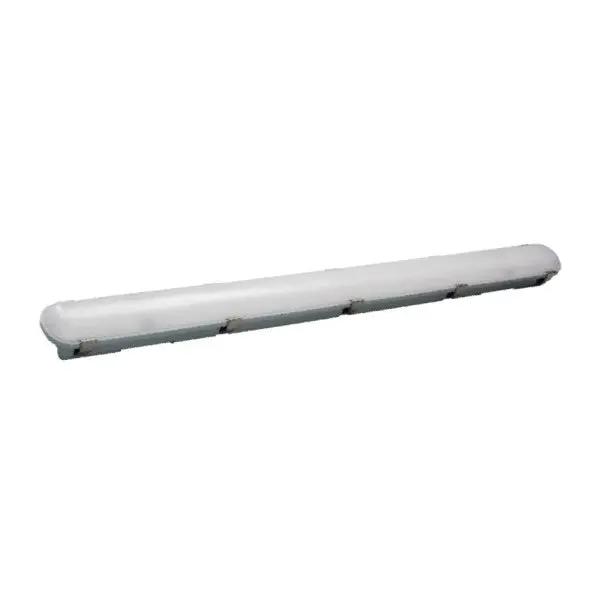
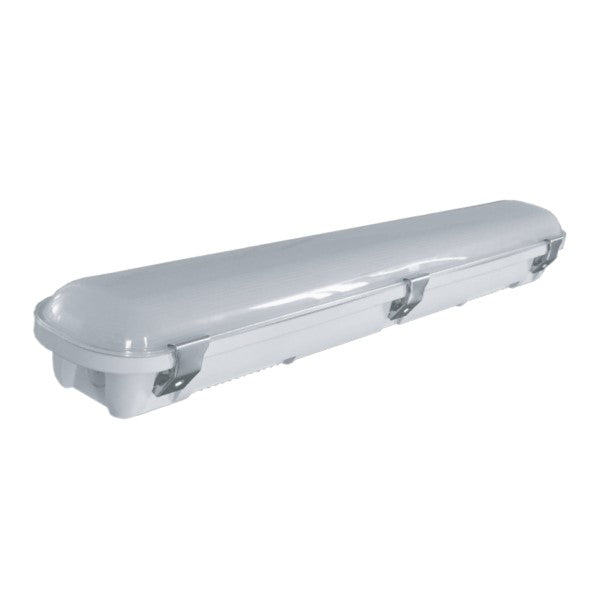
IP-rated vapor tight LED fixtures for harsh environments—sealed luminaires specified for dust, moisture, washdown, and temperature exposure.
Vapor tight LED fixtures are sealed luminaires configured for installation in environments subject to moisture, dust, and routine washdown conditions. Commonly specified for parking structures, food processing areas, utility corridors, and similar locations, these fixtures assist in maintaining consistent illumination while supporting environmental protection requirements. For evaluation factors such as IP classification, impact resistance, sealing methods, and corrosion considerations, consult the vapor tight LED lighting buying guide to guide specification decisions.
This collection includes luminaires constructed with gasketed housings and enclosed optical assemblies to limit contaminant ingress. Products are typically evaluated based on ingress protection rating, thermal performance, material construction, electrical configuration, and mounting method to assist designers and facility teams in establishing durable lighting systems within exposure-prone interiors.
For engineering-level material addressing fixture durability, performance thresholds, and regulatory considerations across commercial lighting environments, review the commercial lighting specification compendium .




Technical FAQs for Commercial LED Vapor Tight Lights
Engineering reference: See our commercial ceiling lighting buying guide for fixture selection methodology, lumen planning, and control strategies used in commercial interior environments.
What are LED vapor tight lights designed to protect against?
LED vapor tight luminaires are engineered to help prevent the intrusion of moisture, dust, airborne contaminants, and non-corrosive particulates into the electrical housing. Sealed construction helps support consistent operation in environments where open-lens fixtures may be exposed to environmental stress.
When should vapor tight fixtures be specified instead of standard ceiling lights?
Sealed luminaires are typically specified for parking structures, utility corridors, food preparation areas, cold storage zones, and industrial spaces where humidity, debris, or washdown procedures may occur. In controlled office environments, broader-distribution fixtures such as LED panel lights or LED troffer lights are often sufficient.
What is the difference between damp location and wet location ratings?
Damp location ratings indicate suitability for environments with condensation or moderate humidity, while wet location ratings support installation where water exposure may occur. The fixture listing should always align with the intended environment rather than relying solely on enclosure appearance.
How do IP ratings apply to vapor tight luminaires?
Ingress Protection ratings classify resistance to solids and moisture. Higher ratings indicate stronger protection against dust entry and water exposure. The appropriate rating should be selected based on the environmental conditions present rather than assumed universally necessary.
How should lumen output be selected for vapor tight installations?
Lumen selection should be based on target foot-candle levels, mounting height, and distribution rather than legacy fixture wattage. Narrower spaces may require fewer high-output fixtures, while wider aisles may benefit from balanced spacing to maintain uniformity. Photometric modeling is recommended to confirm layout performance.
Are vapor tight fixtures appropriate for refrigerated or cold-storage environments?
Many sealed luminaires are designed to operate in lower ambient temperatures, but driver operating ranges should always be verified prior to specification. Temperature compatibility is critical for maintaining electrical performance and long-term reliability.
What mounting methods are commonly used for vapor tight lighting?
These fixtures are frequently surface-mounted or suspended depending on ceiling structure and clearance requirements. Mounting strategy should support service access while maintaining the integrity of the sealed housing.
Do vapor tight fixtures typically support dimming controls?
Many drivers are compatible with dimming systems used to satisfy energy codes and operational strategies. Verify driver behavior, control wiring requirements, and minimum dim levels prior to specification. Planning considerations are outlined in the commercial ceiling lighting buying guide.
What electrical characteristics should be reviewed before specifying vapor tight luminaires?
Confirm branch voltage, driver compatibility, circuit capacity, and inrush current relative to breaker ratings. Installations involving long runs should also consider voltage drop and control wiring distances.
When are emergency lighting provisions required for vapor tight fixtures?
Certain pathways and occupied spaces may require illumination during power interruption. This is commonly achieved using LED emergency backup drivers or dedicated emergency luminaires. Requirements are typically governed by building and life-safety codes. See the exit and emergency lighting buying guide for regulatory context.
How does fixture spacing affect performance in linear environments such as corridors?
Spacing influences uniformity and perceived brightness. Excessive spacing can create visible dim areas, while overly tight spacing may increase energy use without improving task visibility. IES-based calculations help establish spacing criteria that support consistent illumination.
Are vapor tight fixtures suitable for environments with airborne chemicals?
Material compatibility should be evaluated when chemical exposure is expected. Housing construction, gasketing materials, and lens composition should align with the environmental conditions to help prevent premature degradation.
How important is impact resistance in industrial vapor tight applications?
Fixtures installed in active industrial environments may be exposed to mechanical contact from equipment or materials. Evaluating impact ratings can help support fixture durability where incidental contact is possible.
What factors influence long-term serviceability of sealed lighting systems?
Evaluate driver accessibility, housing construction, gasket design, and warranty terms before standardizing a fixture family. Consistent configurations across a facility can simplify maintenance planning and reduce operational disruption.
Industrial Wet Location & Vapor Tight Engineering Resources
View all


